Contemporary Landscape Design Building Attractive Outside Environments Personalized for You
Innovative exterior design reinvents outdoor spaces, turning them into personalized retreats that reflect personal choices. By carefully evaluating proportions, sunlight, and existing features, designers formulate effective spaces that cater to various needs. Sustainability is essential, blending native plants and eco-friendly materials. This strategy not only strengthens beauty but also builds a closer connection with nature. Understanding the core principles of modern landscape design can unlock new options for any outdoor area. What might those possibilities entail?
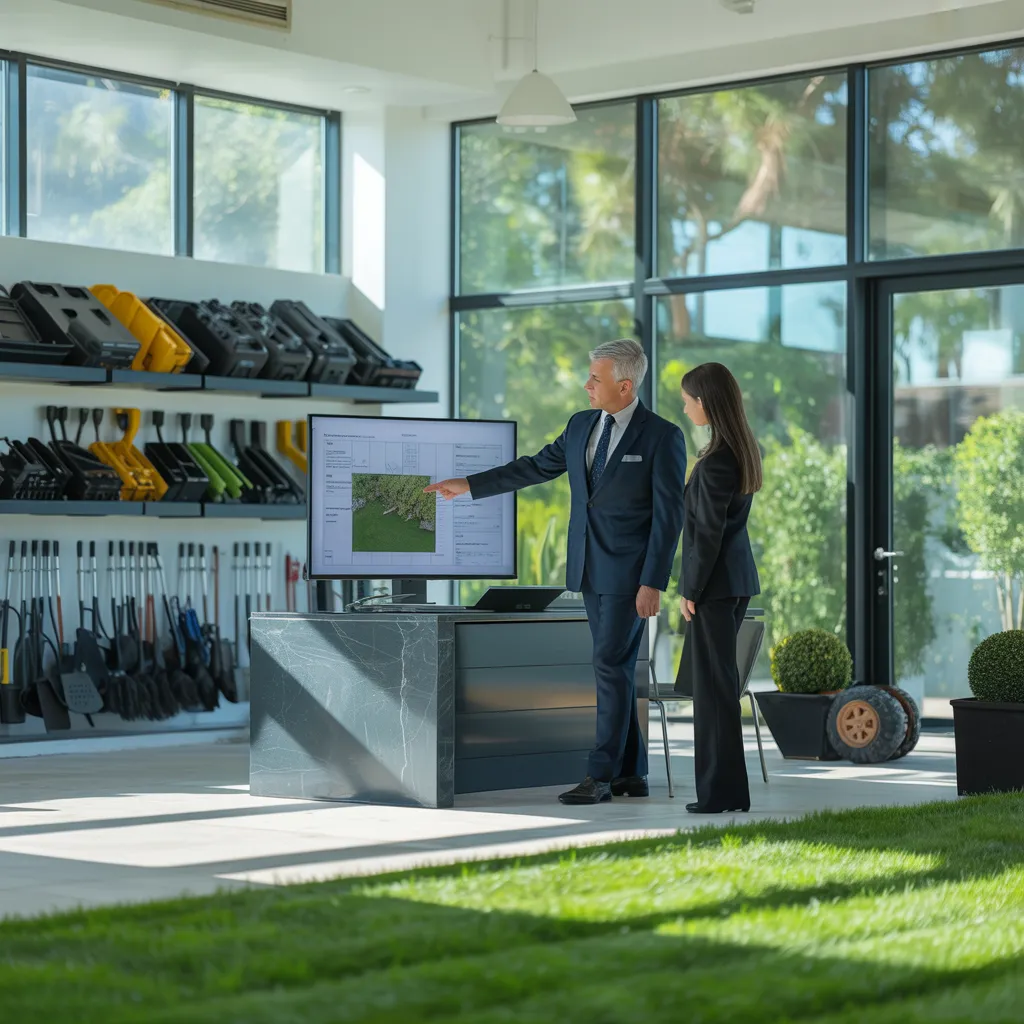
Analyzing Your External Space Necessities
What steps should be taken to effectively determine the requirements of an outdoor area? The assessment of outdoor space requirements begins with a complete examination of the space. This involves taking dimensions, noting sunlight patterns, and identifying existing elements like trees, slopes, and structures. Paying attention to how the space is utilized—whether for rest, entertaining, or gardening—helps determine its purpose. Furthermore, considering the local climate can guide plant selection and material choices.
Next, conceivable issues, such as drainage issues or soil quality, must be handled to assure a effective outdoor design. Gathering input from family members or intended users can expose diverse needs, strengthening the design process. Finally, assessing local zoning laws and regulations will ensure that any planned modifications meet community standards. By systematically analyzing these factors, one can develop a thorough understanding of their outdoor space requirements, laying a solid foundation for future design considerations.
Crafting Effective and Visually Attractive Designs
Planning for performance and beauty necessitates a careful balance between natural elements and structural components. Creating versatile outdoor living areas boosts usability while promoting environmentally responsible approaches that serve the environment. This method not only elevates the visual appeal but also guarantees that exterior areas serve their intended purpose proficiently.
Harmonizing Environment And Design
Effective landscape design seamlessly integrates organic features with built elements, creating areas that are both functional and aesthetically pleasing. This harmony is achieved by carefully considering the connections between vegetation, hardscapes, and constructed features. By selecting resources that enhance the surrounding environment, designers can improve visual appeal while ensuring longevity and practicality. Strategic placement of trees, bushes, and flowers can reduce hard edges, while pathways and patios offer usable spaces that promote outdoor use. Furthermore, adding aquatic elements or natural topography can enrich the overall ambiance. Ultimately, effective landscape planning reflects the distinctive qualities of the location, promoting a cohesive blend of nature and built design that improves the user experience and fosters a feeling of peace.
Multi-Purpose External Residential Areas
Outdoor living areas can considerably enhance a property's practicality and beauty. These spaces serve as continuations of the home, providing a uninterrupted connection between indoor and outdoor spaces. Carefully designed patios, decks, and gardens are able to support a variety of activities, from entertaining guests to quiet relaxation. Adding features such as outdoor kitchens, fire pits, and comfortable seating areas encourages social interaction while maintaining comfort. Additionally, the purposeful use of landscaping, including plants and lighting, can create inviting atmospheres that attract the eye. By combining functionality with aesthetic design, versatile outdoor living spaces not only improve the enjoyment of outdoor areas but also raise overall property value, making them a valuable investment for homeowners.
While many homeowners want to modify their landscapes, sustainable landscape solutions offer a convincing approach that merges functionality with aesthetic appeal. By adding native plants, these designs lessen water usage and maintenance while encouraging local biodiversity. Additionally, the use of porous materials for pathways and patios permits natural drainage, limiting runoff and erosion. Rain gardens can efficiently manage stormwater, improving both environmental resilience and visual interest. Moreover, embedding edible landscaping not only provides beauty but also builds a connection to nature through food production. By emphasizing ecological responsibility without sacrificing style, sustainable design practices create outdoor spaces that are both inviting and environmentally conscious, ultimately enriching the homeowner's experience while fostering a healthier ecosystem.
Incorporating Sustainable Methods into Your Yard Management
Within the domain of landscape design, green practices plays a vital role in creating sustainable spaces. Prioritizing native plant selection, implementing water conservation techniques, and utilizing eco-friendly materials are key strategies for achieving this goal. By integrating these elements, landscapes can thrive while minimizing their ecological footprint.
Native Plant Selection
Opting for native plants in landscaping not only enhances the look of a space but also encourages ecological balance. These plants are adapted to local climates and soils, requiring less maintenance and fewer resources, making them eco-conscious choices. By adding native flora, homeowners can create habitats for local wildlife, such as birds and pollinators, fostering biodiversity. Additionally, native plants often feature resistance to local pests and diseases, reducing reliance on chemical solutions. This selection promotes sustainable practices by supporting natural ecosystems and lowering water consumption. Ultimately, opting for native plants helps create a resilient landscape that succeeds with minimal intervention, meeting modern sustainability goals while offering pleasant outdoor environments.
Water Reduction Strategies
Essential water conservation techniques are vital for sustainable landscape design, especially in regions experiencing water scarcity. Implementing xeriscaping can substantially reduce water usage by utilizing drought-resistant plants and minimizing lawn areas. Incorporating rain gardens allows for organic water retention, while also enhancing aesthetic appeal. Drip irrigation systems provide focused irrigation, ensuring that plants receive adequate moisture without wastage. Mulching around plants retains soil moisture and suppresses weeds, further promoting water efficiency. Additionally, using permeable paving materials aids in groundwater recharge and reduces runoff. These methods not only maintain water supplies but also contribute to the overall health of the landscape, fostering a resilient and environmentally friendly outdoor space. By adopting these techniques, homeowners can create beautiful, sustainable landscapes that thrive with minimal water use.
The utilization of sustainable resources is becoming increasingly important for businesses that want to reduce their environmental footprint.
While conventional landscaping usually depends on environmentally harmful materials, choosing eco-friendly options greatly aids in building a more sustainable environment. Using recycled resources, like reclaimed wood and repurposed stone, reduces not only waste but also adds character to outdoor spaces. Integrating permeable pavers enables improved water management, cutting down on runoff and encouraging groundwater recharge. Using natural fibers like jute and hemp in landscaping textiles presents biodegradable options as alternatives to synthetic ones. Furthermore, selecting sustainably sourced plants and native species helps local ecosystems and minimizes maintenance requirements. By prioritizing eco-friendly materials, landscape designers can create beautiful, functional spaces that harmonize with nature while promoting environmental responsibility. This approach helps the planet but also enhances the aesthetic charm of outdoor areas.
Adapting Your Outdoor Escape: Style and Themes
Building a personalized outdoor retreat involves careful consideration of design aesthetics and overall themes that suit the homeowner’s taste and lifestyle. Each component, from plant selection to hardscape materials, plays a important role in reflecting individual preferences. For instance, a contemporary theme may feature sleek lines and clean designs, while a rustic approach might highlight natural stones and weathered wood.
Color schemes also influence the overall environment. Warm earth tones can create a comfortable, inviting space, while strong, vibrant hues might invigorate an area. Additionally, themes differ based on intended use; a tranquil Zen garden can provide a meditative escape, whereas a lively, lively space may be perfect for entertaining.
In the final analysis, the vital element lies in coordinating these elements, guaranteeing that each aspect of the design speaks to the homeowner's unique identity, thereby converting the outdoor area into a true sanctuary.
Essential Characteristics of Modern Landscape Architecture
Contemporary landscape design is distinguished by a harmonious blend of utility and aesthetics, focusing on sustainability and creative advances. One essential feature is the incorporation of native plants, which require less care and sustain local ecosystems. Hardscaping elements, such as patios, walkways, and retaining walls, enhance usability while providing structure to outdoor spaces. Water handling systems, including rain gardens and permeable pavements, address drainage issues and promote water conservation.
Sustainable approaches, for example composting and xeric landscaping, further stress environmental accountability. Outdoor lighting not only boosts safety but also emphasizes key landscape features, creating inviting atmospheres. Incorporating multi-functional spaces, like outdoor kitchens and seating areas, allows for greater function and satisfaction. Ultimately, the use of technology in landscape design, such as smart irrigation systems, illustrates a commitment to innovation. Together, these features form cohesive, beautiful, and environmentally friendly outdoor environments fitted for individual needs.
Locating the Perfect Landscape Designer for You?
How can one approach selecting the ideal landscape designer? It starts with identifying specific needs and preferences, including desired styles and functionalities. Next, potential candidates can be gathered through word-of-mouth from friends or online reviews, which furnish insight into their expertise and customer satisfaction. Once a shortlist is created, looking at portfolios becomes paramount; this allows one to determine the designer's aesthetic sensibilities and project scope.
Preliminary consultations or discussions should proceed, where concerns about design philosophy, work schedules, and cost factors are discussed. It is essential to review communication approaches, ensuring that the designer is responsive to suggestions and criticism. In conclusion, verifying credentials establishes Paver Patio the decision, validating the designer's dependability and competence. By executing these steps, people can securely choose a landscape designer who matches their vision, in turn creating a space that betters their outdoor experience.

Frequently Common Questions
What Represent the Latest Tendencies in Outdoor Landscaping?
Recent patterns in landscape design include eco-friendly methods, native plant usage, outdoor living spaces, vertical gardens, and smart technology integration. These elements improve aesthetics while promoting environmental responsibility and functionality in diverse outdoor environments.
What's the Best Way to Preserve My Landscape After Installation?
To copyright a landscape after installation, routine watering, pruning, and mulching are vital. Additionally, surveying for harmful insects and plant diseases guarantees plants thrive, while time-based adjustments help maintain the design's aesthetic and functional appeal over time.
May I Include Edible Greenery Into My Scheme?
Yes, adding edible plants into a landscape design is entirely feasible. This strategy enhances visual quality while offering fresh produce, building a functional and visually appealing outdoor space that encourages environmentally responsible growing methods and advances biodiversity.
What Does the Common Cost of Outdoor Design Work Amount To?
The standard expense of landscaping design services typically spans from $50 to $150 per hour, determined by the designer's experience and project difficulty. Fixed fees may likewise be imposed, ranging between $2,000 to $5,000 per engagement.
How Do Seasonal Changes Affect Landscape Design Decisions?
Seasonal movements profoundly shape landscape design preferences, as designers must examine plant hardiness, color palettes, and maintenance requirements. Conforming to seasonal shifts delivers aesthetic appeal and functionality, enabling year-round enjoyment of outdoor spaces.